

Findings from research at the U.S. Department of Agriculture (USDA) conducted by Agricultural Research Service (ARS) plant physiologist Lewis Ziska and published in the scientific journal PLOS ONE project changes in crop production as air temperatures increase due to climate change. ARS is USDA's chief intramural scientific research agency, and the research supports the USDA priority of responding to climate change.
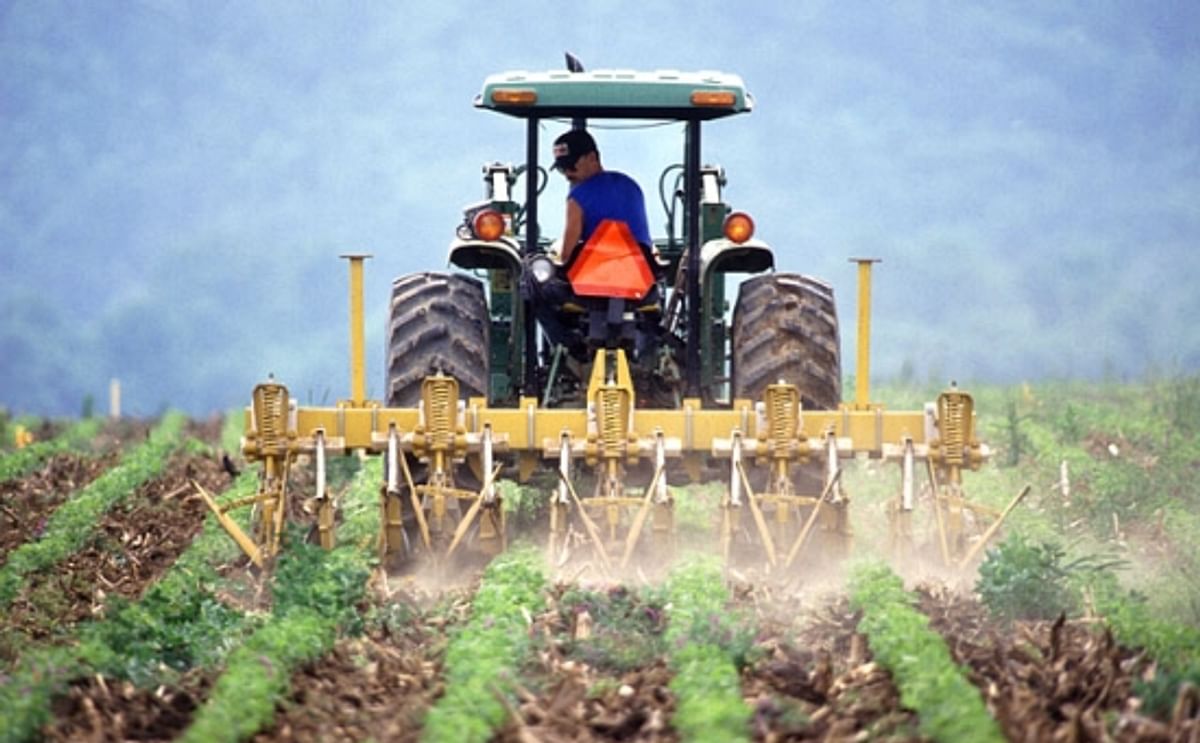
In the study published today, researchers observed one of the effects that agricultural producers may see as air temperatures increase is a corresponding increase of insects, weeds and fungal pests because of milder winter temperatures. One possible result is growers may need to increase their pesticide use to respond to these pests and maintain soybean production levels.
"One of our most crucial challenges is finding ways to maintain and increase crop production levels in the face of climate change," said ARS Administrator Chavonda Jacobs-Young. "These studies underscore the importance of conducting research that helps us confront these challenges and facilitates the development of cost-effective options for the environmentally sustainable production of food, feed, and fiber."
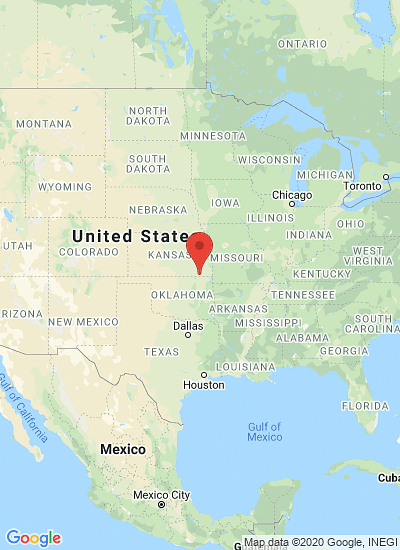
In temperate regions, the distribution and survival of agricultural pests is often kept in check by low winter temperatures. Ziska, who works at the ARS Crop Systems and Global Change Laboratory in Beltsville, Maryland, examined average pesticide applications since 1999 for commercial soybean grown over a 1,300-mile longitudinal transect from Minnesota to Louisiana. Minimum daily temperatures in this study area ranged from -20 degrees Fahrenheit to 23 degrees Fahrenheit.
Although soybean yields per acre did not vary by state, increases in total pesticide applications were positively correlated with increases in minimum winter temperature. This suggested that rising minimum temperatures could be a good proxy for increased pesticide use.
Ziska determined that from 1977 through 2013, minimum winter temperatures were increasing throughout the transect, although the rate of increase was greater for northern states like Minnesota than for southern states like Louisiana. This observation is consistent with the Intergovernmental Panel on Climate Change projections regarding enhanced warming with increasing latitude.
Using these findings to project future pesticide use, Ziska determined that if these temperature trends continue, soybean pesticide use by region in the next 10 years may also change, with herbicide use increasing in the north and insecticide and fungicide use increasing in the south. Overall, according to Ziska, these results indicate that increases in pesticide application rates may be a means to maintain soybean production in response to potential increases in pest pressures associated with rising minimum daily temperatures and climate change.
Warmer winters linked to increased pesticide use
Like to receive news like this by email? Join and Subscribe!
Get the latest potato industry news straight to your WhatsApp. Join the PotatoPro WhatsApp Community!
Highlighted Company

Related News
December 11, 2025
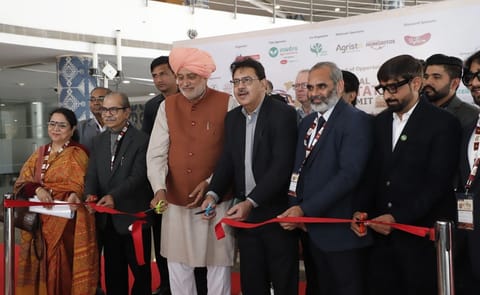
Global Potato Summit 2025 Opens in Greater Noida: Global Experts, Cutting-Edge Research and India’s Leadership Take Center Stage
Global Potato Summit 2025 opened at IEML, Greater Noida, uniting global experts, policymakers and industry leaders. The event highlighted India’s growing leadership in potato innovation, sustainability, processing, exports and value-chain growth.
December 10, 2025
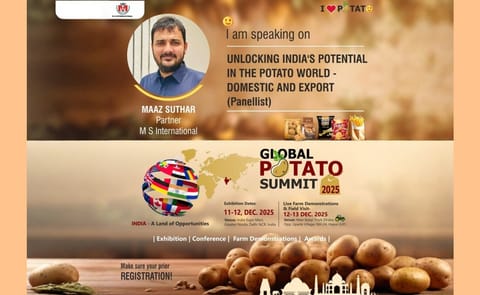
M S International Powers India’s Farm-to-World Potato Leadership at the Global Potato Summit 2025
M S International joins the Global Potato Summit 2025 as a Bronze Sponsor, highlighting export strength, infrastructure, and its farm-to-world model. MSI leaders will join panels and partnerships to strengthen India’s global potato role.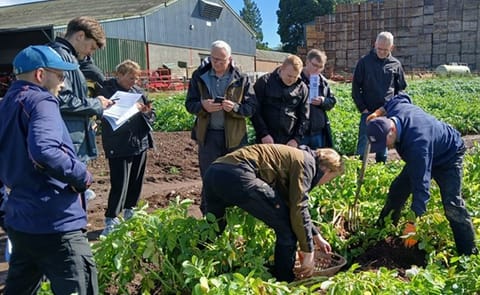
December 06, 2025
Dundee to Host SACAPP 2026 Conference Showcasing Innovation and the Future of Potato Farming
SACAPP’s 2026 conference returns to Dundee on February 5, bringing UK growers together to explore innovation, data-driven production, water resilience and new uses for potato waste, with speakers from Japan, Orkney and Scotland’s plant health leadership.
Latest News

Sponsored Content
Sponsored Content
Sponsored Content

Sponsored Content