
Ireland
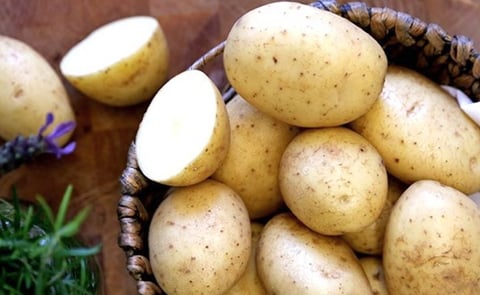
Ireland has a long-standing association with potato cultivation and the crop remains an important part of the country’s food and agricultural sector. The country’s cool, temperate climate, relatively high rainfall and generally mild growing conditions are well suited to potato production, although the same conditions can create significant pressure from late blight. Potatoes are regarded as Ireland’s most important vegetable crop and one of its most widely grown fresh food crops. In 2024, Ireland produced approximately 368,300 tonnes of potatoes from 9,300 hectares, with an average yield of 39.6 tonnes per hectare.
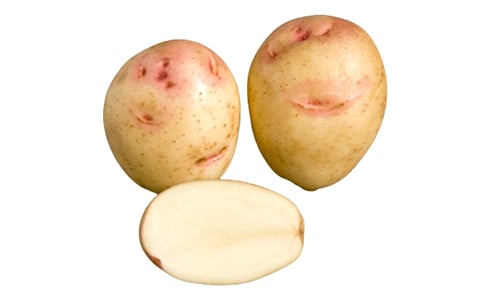
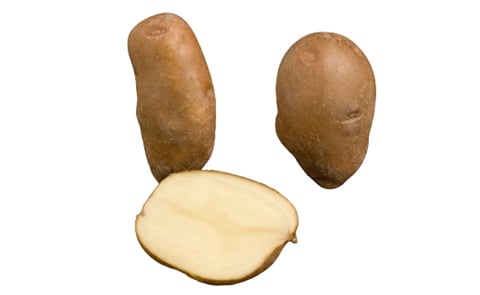
Irish potato production is primarily oriented toward the domestic fresh market, with production divided into early potatoes, maincrop potatoes, seed potatoes and salad potatoes. Maincrop production represents the largest segment, while refrigerated storage allows potatoes harvested in autumn to supply the market for much of the year. Rooster is the dominant variety and accounts for around half or more of the potato area, depending on the source and year. Other important varieties include Kerr’s Pink, British Queens, Golden Wonder, Maris Piper, Records and Home Guard. Irish consumers traditionally favour red-skinned, relatively high dry matter potatoes, although demand for salad and processing varieties has been increasing.
Potato research in Ireland has a strong emphasis on breeding, agronomy, disease management and genetic improvement. Teagasc’s potato breeding programme at Oak Park began in 1962 and has released numerous varieties for Irish and international markets. Rooster, released in 1991, became particularly successful because of its eating quality and agronomic characteristics. Research also focuses heavily on late blight, an especially important issue under Ireland’s humid growing conditions, as well as improved varieties, genomics and production practices. Ireland also maintains a national potato collection containing more than 400 accessions, including historic Irish varieties, providing genetic resources for future breeding and research.
The potato probably reached Ireland during the late sixteenth century, with around 1586 often cited as the earliest feasible date, although there is no definitive written evidence documenting its initial introduction. The crop adapted exceptionally well to Ireland’s climate and soils and gradually became an important component of the Irish diet. By the eighteenth century, potatoes had become a major staple among the rural population because they produced substantial food quantities from relatively small areas of land. Traditional cultivation methods such as lazy beds allowed potatoes to be grown even on marginal land, contributing to their expansion across rural Ireland.
The potato became inseparably linked with Irish history during the nineteenth century. Before the Great Famine, many poor rural families depended heavily on potatoes, with the Lumper becoming particularly widespread because of its high yield and suitability to subsistence production. In 1845, late blight caused widespread destruction of the potato crop and repeated crop failures between 1845 and 1852 contributed to the Great Irish Famine, resulting in more than one million deaths and mass emigration. The crisis exposed the risks of dependence on a narrow genetic base and a single staple crop. After the Famine, Irish potato production gradually developed into a more diversified commercial sector, eventually supported by scientific breeding, improved disease management, storage technologies and the development of varieties such as Rooster.